
By Doyice Cotten
This is Part III of this series on waiver terminology. This part is intended to impress upon the sport and recreation professional the value of waivers of liability.
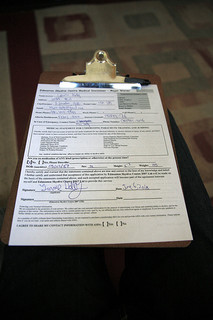 Why all the fuss about waivers of liability? The following California case (Padilla v. The Sports Club Company, 2008 Cal. App. Unpub. LEXIS 8150) illustrates very clearly why recreation and sports entities should use waivers.
Situation
Belinda Padilla was a member of The Sports Club Company, a California health and fitness facility. When she joined the club, she signed a membership contract which contained a waiver of liability.
While using a spin bicycle at the facility, a pedal on the bicycle broke during a class. She was seriously injured as a result. She filed suit alleging negligence by the Club and argued that the waiver was ambiguous and did not expressly exclude liability for injury due to malfunctioning equipment.
Waiver
The waiver stated that the signer releases the club from liability and listed many types of injuries including heart attack, stroke, broken bones, accidental injuries, and injuries resulting from or relating to the use of exercise equipment and machines.
Ruling
The court ruled that the language was not ambiguous, that it was indeed a contract, and that she was bound by the language releasing the club from liability.
In this case, the facts indicated that the club was negligent, however the waiver of liability protected the club against liability. Not only did the club not have to pay damages to the plaintiff, the court ruled that the plaintiff had to pay the court costs.
Conclusion
Waivers can provide protection for providers. In fact, in at least 45 states, a well-written waiver of liability signed by an adult participant can protect the provider from liability for injuries caused by the ordinary negligence of the provider.